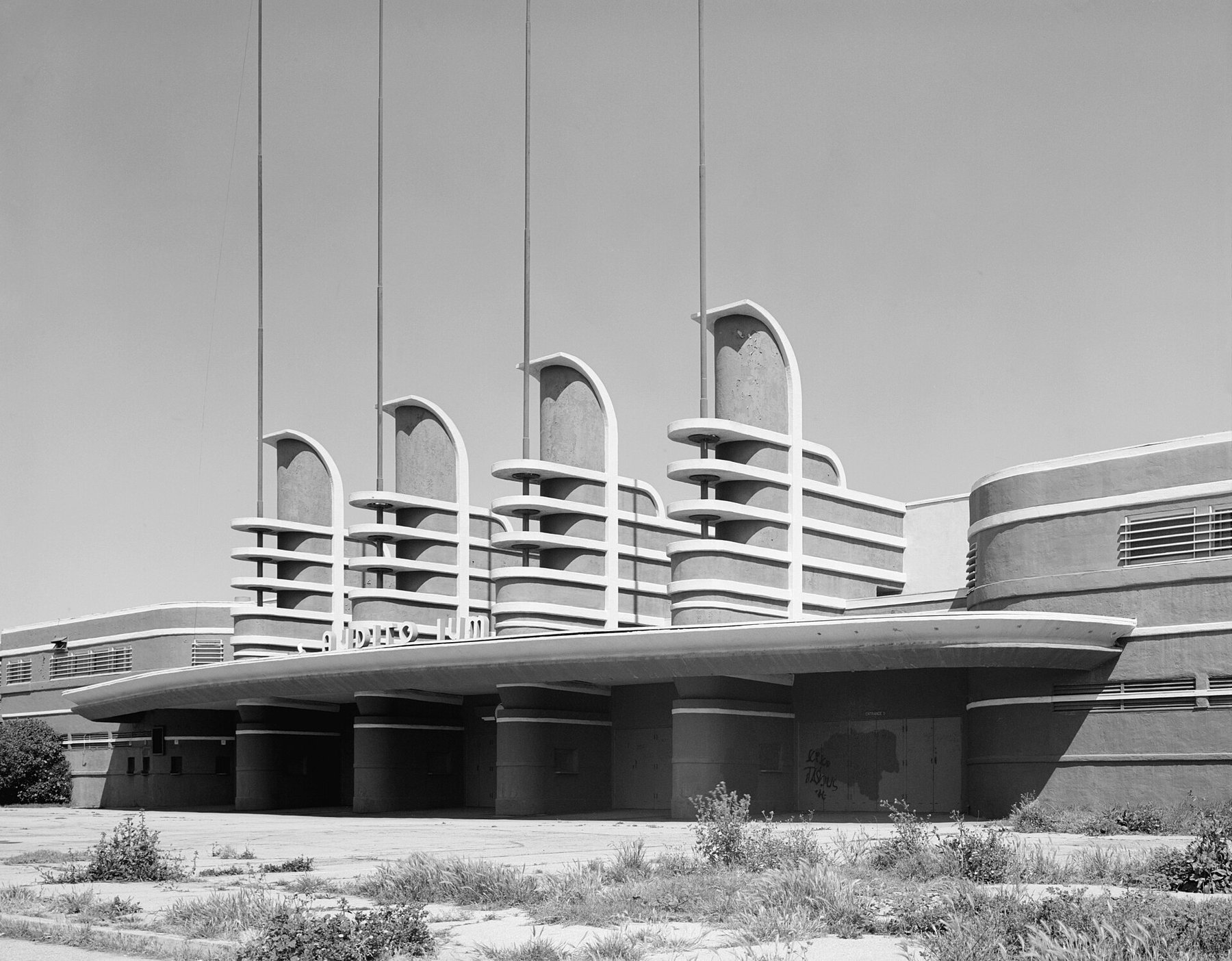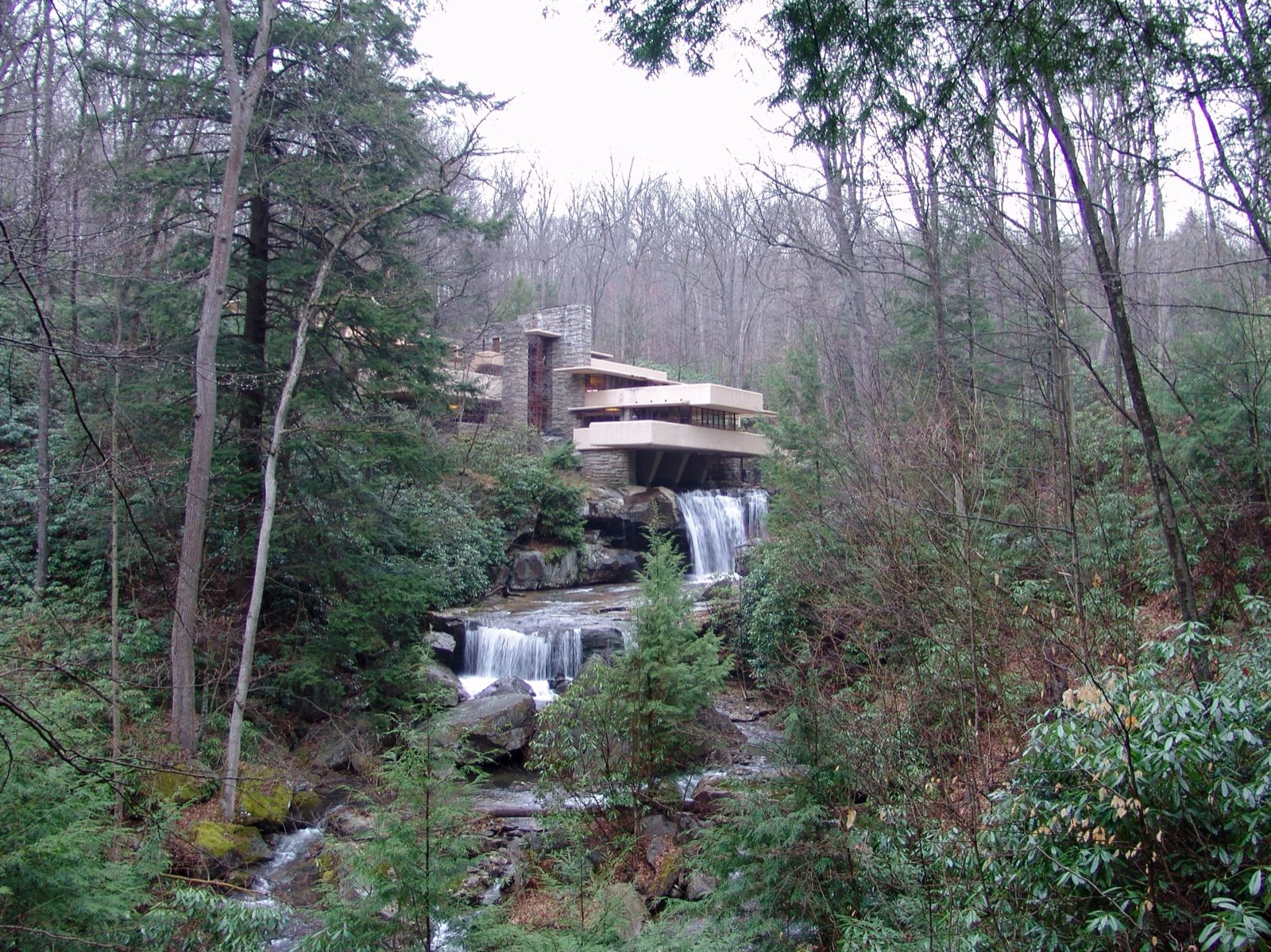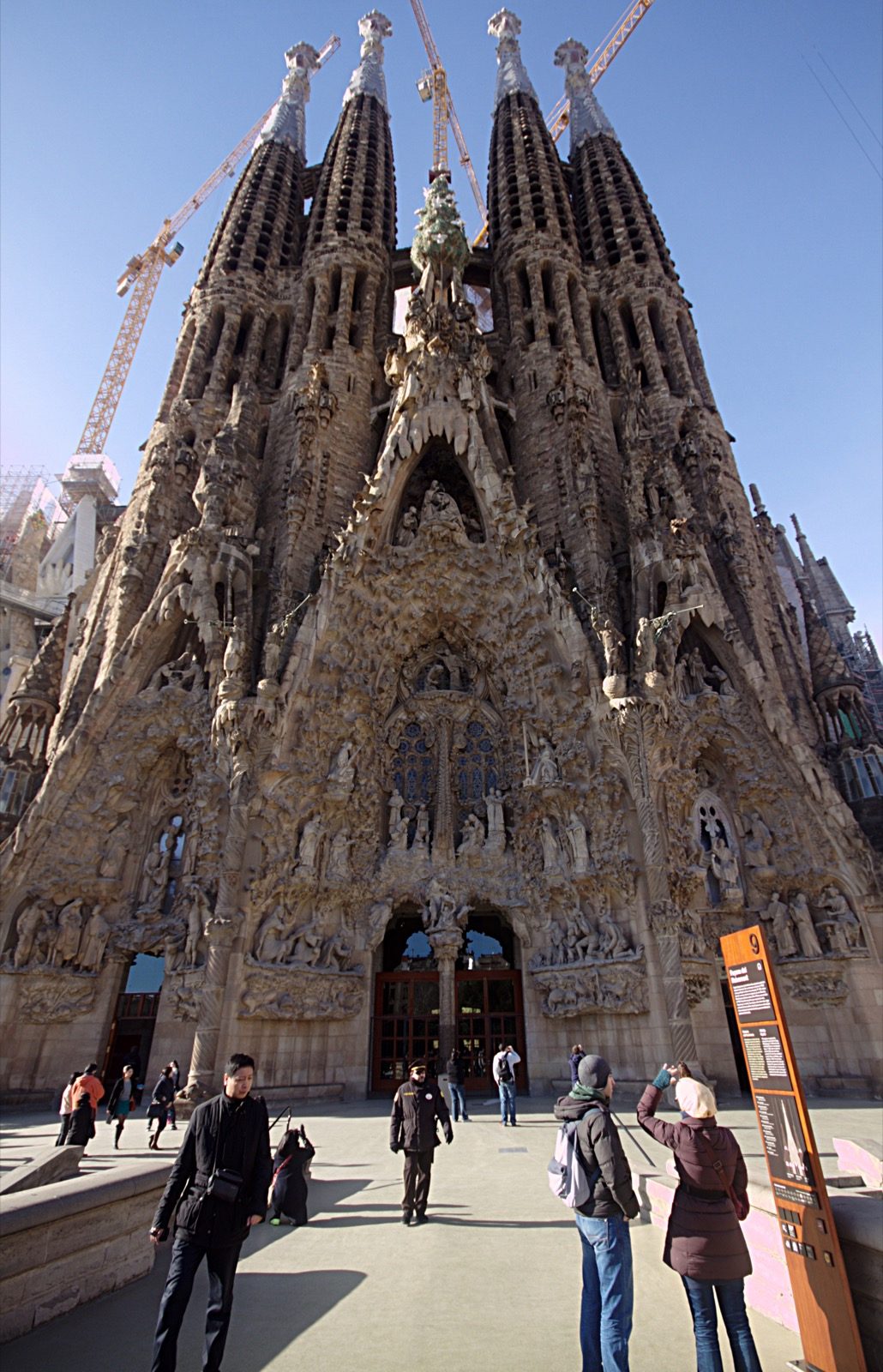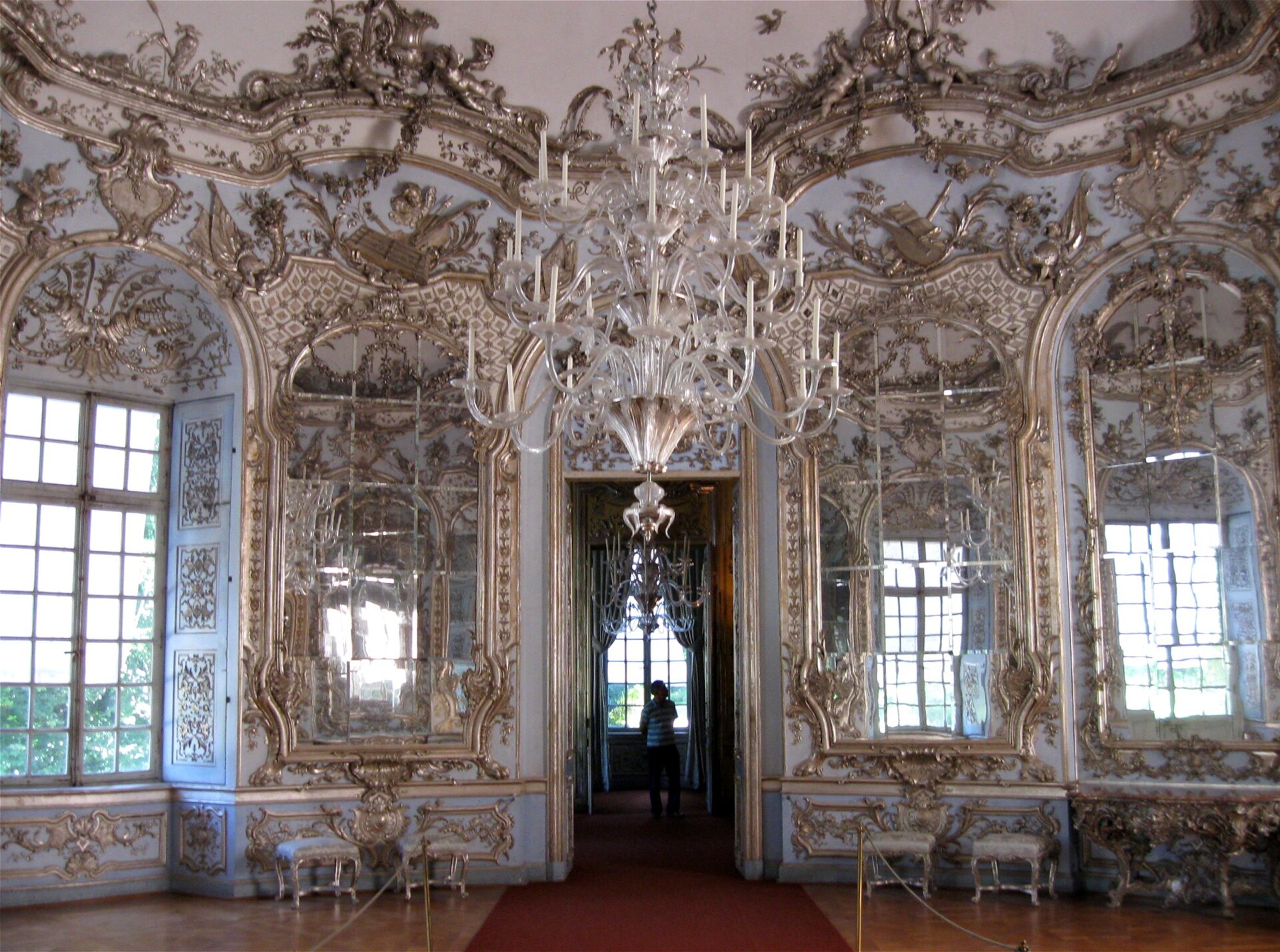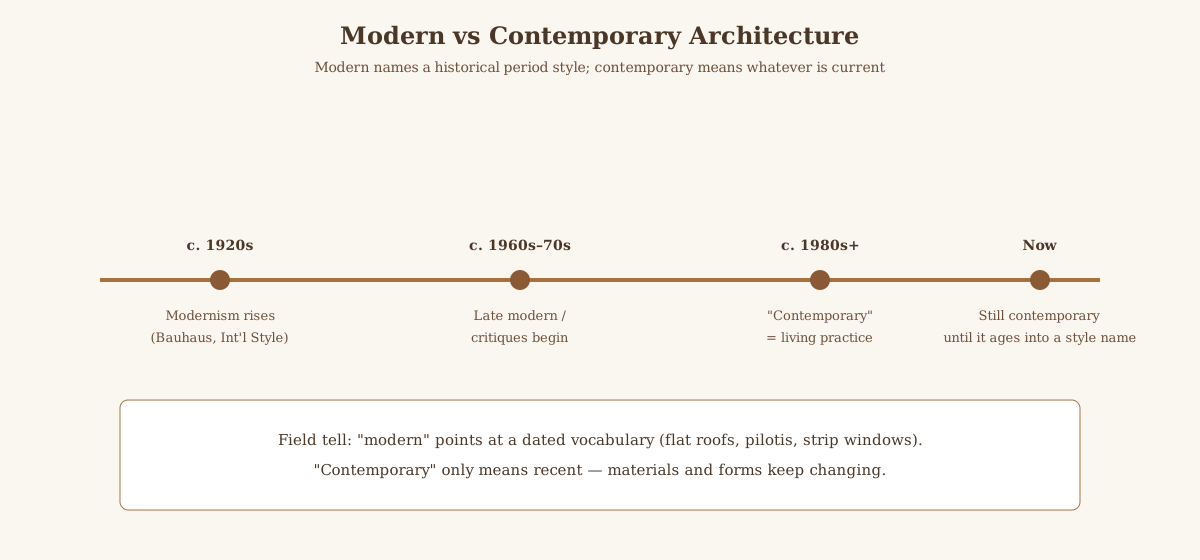
Modern is a period movement
The Getty's explainer "What Is Modern Architecture, Anyway?" treats modern architecture as a recognizable twentieth-century approach tied to new materials and a break from historicist ornament, not as a synonym for "anything recent" [Getty: What Is Modern Architecture, Anyway?, checked 2026-10-25].
Field surveys commonly group International Style, Bauhaus-influenced work, and related mid-century strands under modern architecture: flat or simple roof lines, open plans, expressed structure, and facades that show glass or concrete instead of classical orders.
Because modern here is historical, a 1930s International Style house stays "modern architecture" even when it is a century old. Age of the building does not flip it into contemporary by itself.
Steel, reinforced concrete, glass curtain walls, open plans, and a refusal of revivalist decoration are the usual textbook markers. Dates and regional schools vary, but the word still points at a historical movement with named protagonists and built canons.
Calling every glass box modern in casual speech is common. Historians still reserve the bare term for that movement. When precision matters, say revival-modern or modern-quoting for new work that echoes that formal habit.
Contemporary means current practice
| Dimension | Modern architecture | Contemporary architecture |
|---|---|---|
| What the word tracks | A historical 20th-century movement / style family | Buildings and projects designed in the present |
| Style checklist | Often yes: geometry, minimal ornament, industrial materials | No single mandated look; can be curved, hybrid, historicist, or high-tech |
| Time test | Can be old and still "modern" (period label) | Fails if the design belongs to a closed past movement only |
| Materials trope | Steel, reinforced concrete, glass as modern emblems | Whatever current practice uses, including mass timber, high-performance envelopes |
| Relation to modernism | Is the modernist tradition | May continue, revise, or ignore modernism |
| Decision rule | Ask which movement/period vocabulary fits | Ask when it was designed and whether "current" is the claim |
Real-estate copy often says "modern" when it means "new and minimal." Historians and many architects keep modern for the twentieth-century movement and contemporary for living practice. If a listing date is 2024 and the pitch is "modern farmhouse," read the photos: the word may be marketing, not period classification.
This architecture split is related to, but not identical with, museum dating fights in painting. For art-period labels on this site, see Modern art vs contemporary art.
Contemporary architecture means buildings designed in the present. It has no single required style checklist. A contemporary project might be parametric, mass-timber, contextual brick, or openly historicist.
That breadth is why contemporary is a weak style label and a strong date label. It answers when, not which manifesto.
UmberLore's modern-art pages cover painting and sculpture vocabularies. This page stays on buildings so the art-historical modern does not silently replace the architectural one.
How to label a building in front of you
Check the design date and the vocabulary of the façade. A white stucco International Style villa from the 1930s is modern architecture in the period sense.
A 2020s school that mixes CLT structure, irregular massing, and heavy insulation may be contemporary without matching a Bauhaus checklist.
If a guide only says "modern look," ask whether they mean the historical movement or "looks new." The table above is the disambiguation tool.
For another UmberLore style-pair page, see Rococo architecture vs Baroque.
Stand in front of a building and ask two questions. When was it designed or completed? Does its form deliberately echo twentieth-century modern formal habits?
Finished last year with no allegiance to that vocabulary → contemporary (plus whatever style name fits). Finished in 1955 as an International Style office block → modern in the historian's sense. Finished last year as a deliberate Miesian glass exercise → contemporary in date, modern-inspired in style.
Real-estate copy will keep saying modern for stainless kitchens. Use build year plus formal traits when the historian's distinction matters.