Definitions from Tate
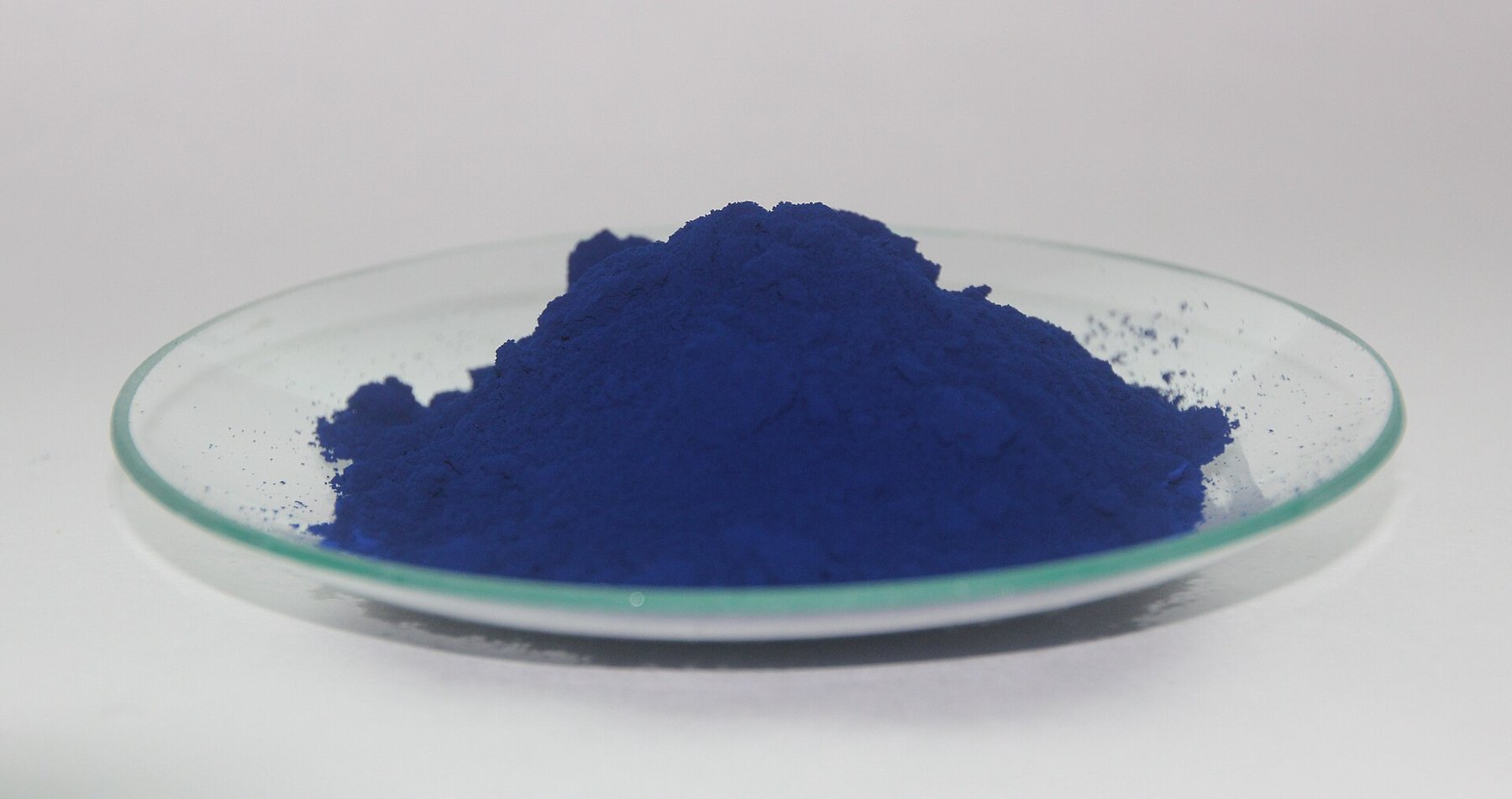
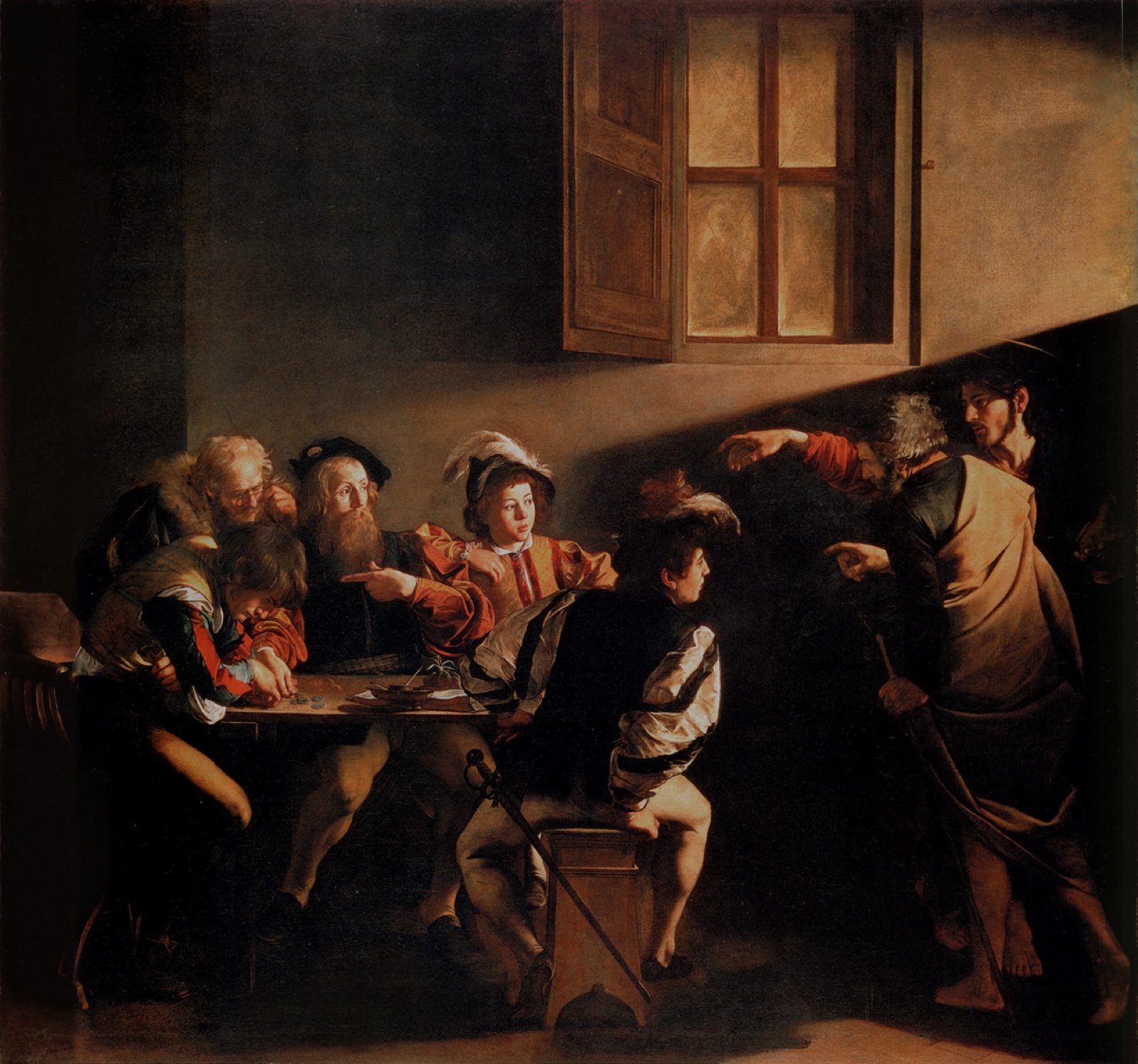
Oil paint, in Tate's art-term entry, consists of pigment particles in a drying oil that hardens on exposure to air. Linseed is the usual oil; poppy, walnut and others appear too. Slow drying lets an artist revise passages and blend soft transitions (Tate: Oil paint).
Acrylic paint, Tate says, was first made in the 1950s and uses a synthetic resin to bind pigments. Diluted with water it can look like watercolor or, used thick, like oils, and it is waterproof once dry (Tate: Acrylic paint).
Both sit on canvas, which Tate describes as a strong woven cloth traditionally used as a paint support. The support does not decide the medium; the binder does.
Why painters pick one
Choose oil when you need to push wet paint into wet paint for hours, build transparent glazes over days, or match a historical studio method. Tate notes that different pigments dry at different speeds even inside the oil system, so "slow" is relative.
Choose acrylic when you need stackable layers in one session, easy water cleanup, or a tough film that resists water after it cures. Tate names David Hockney as an early champion who used acrylic for major 1960s works.
Neither medium automatically looks "modern" or "traditional." Handling and color choices do more than the binder label on the tube.
Canvas practicalities
Oil on raw canvas can seep and rot fibres over time; traditional practice sizes and primes the cloth first. Acrylic grounds are common under both acrylic and oil layers today, but follow product instructions for oil-over-acrylic rules rather than improvising stacks.
Because acrylic dries fast, large canvas blends need misting, retarders or a stay-wet palette. Because oil dries slow, thick peaks can wrinkle if you seal them too soon; Tate notes oil continues hardening for decades.
For another medium pair on this site, see tempera vs acrylic. For movement context that often used oils, see Impressionism vs Post-Impressionism.
A quick decision path
If your next sitting is tomorrow and you still want the same passage open, oil is the safer default. If you need to varnish a hard film this week after dense layering, acrylic is usually simpler.
If a class forbids solvents, acrylic removes the turpentine step while paint is wet. If a brief asks for historical oil technique, acrylic mimicry will not satisfy a materials check.
Drying chemistry and fat-over-lean
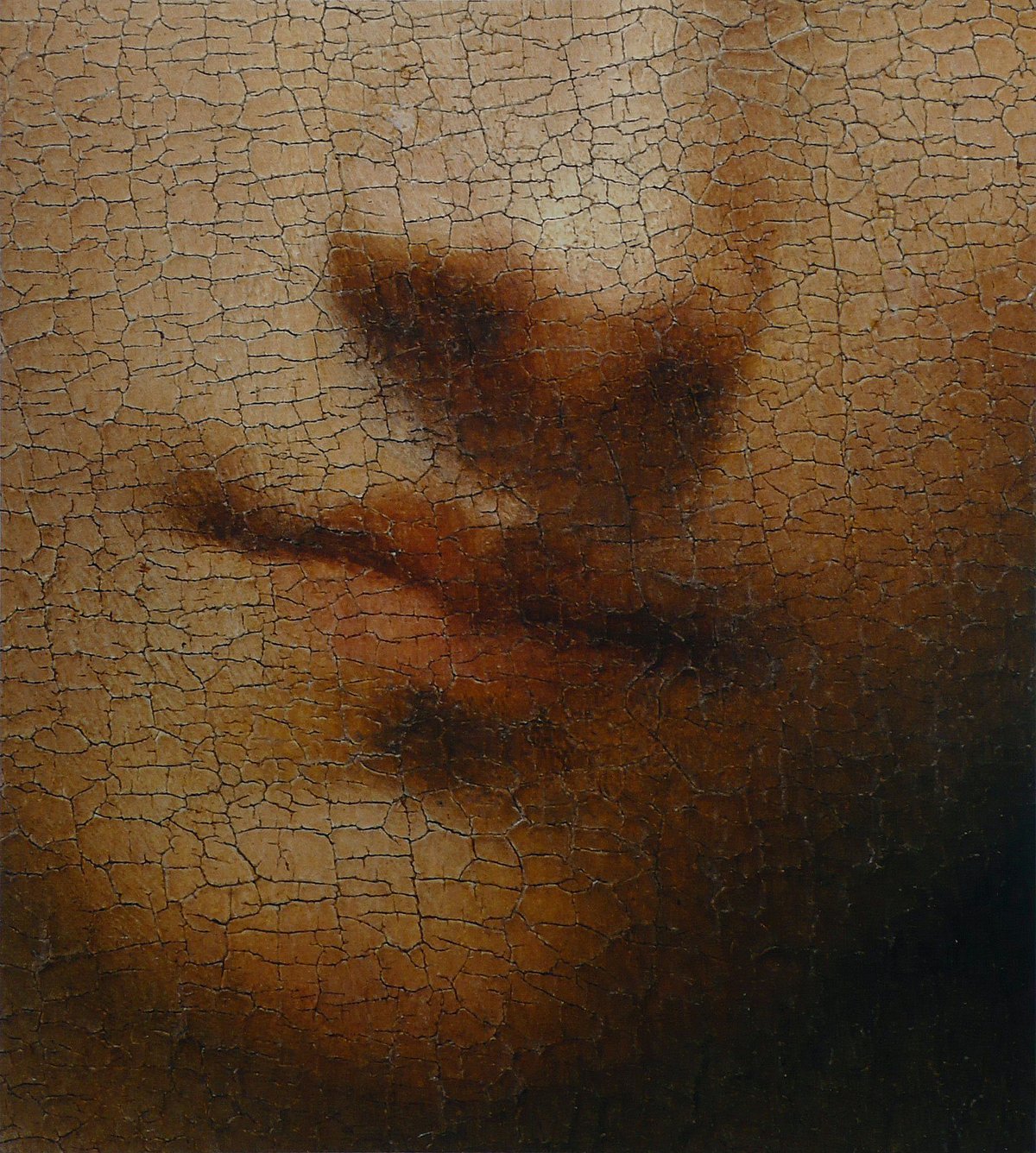
Oil paint dries by oxidation of drying oils (linseed, walnut, poppy, and related binders). Layers stay workable for hours to days and continue to harden over a much longer period. Conservators care about that long cure because a soft lower layer under a faster, leaner skin is a classic crack risk.
Fat-over-lean is the practical rule that grows from that chemistry: each new oil layer should be at least as flexible (often "fatter," with more oil or medium) as the one beneath, so the paint film can move without the top skin tearing. Lean underlayers with less oil, more solvent, or more absorbent grounds come first; richer layers come later.
Acrylics dry mainly by water evaporation and coalescence of polymer particles. They reach handle-dry quickly, which is why painters use them for blocks of color, underpaintings, or outdoor studies. They do not obey fat-over-lean as an oil rule, but they do care about clean layers, compatible mediums, and not trapping wet material under a sealed skin in careless ways.
Tate's glossary framing is enough for beginners: oil is slow and blendable; acrylic is water-based polymer paint that became widespread in artists' practice in the mid-twentieth century. Studio craft then adds the medium-specific rules above.
Mediums, retarders, and varnish habits
Oil painters reach for solvents and oil mediums to change flow, gloss, and drying rate. Alkyd mediums speed drying; extra oil increases gloss and flexibility; excess solvent in upper layers can leave underbound pigment. Product labels matter more than folklore ratios.
Acrylic painters use water, acrylic mediums, gels, and pastes. Retarders slow skinning so edges can blend longer, which is the usual answer when someone wants oil-like open time without switching binders. Over-retarding can leave a tacky film, so manufacturers publish maximum addition percentages for a reason.
Varnish timing differs. Oils generally need a longer cure before a final varnish. Acrylics can often take an isolation coat and varnish on a shorter schedule, but only after the film is fully dry through, not merely touch-dry. Museum and manufacturer tech sheets beat social-media shortcuts here.
Yellowing, cracking, and support choices
Traditional linseed-rich films can yellow in the dark and recover somewhat in light; the effect depends on oil type, pigments, and thickness. Acrylic films are valued for clearer color hold in many interior conditions, which is one reason designers like them for bright contemporary work.
Cracking in oils often traces to fat-over-lean violations, inflexible over inflexible grounds, or mechanical stress on a poorly prepared canvas. Acrylic cracks more often from brittle cheap paint, extreme cold flex, or adhesion failure on a contaminated ground than from classical fat-over-lean errors.
Canvas preparation still splits by binder. Oil on raw linen risks rotting fibers over time because oil can oxidize and embrittle unprotected cloth; size and ground isolate the fabric. Acrylic grounds are common under both acrylic and oil (oil over acrylic ground is a widespread modern practice when the ground is designed for it). Oil over soft acrylic paint layers is the riskier direction and should follow manufacturer guidance, not a dare.
Technique notes: blending, glazing, texture
Oils reward slow blending, wet-into-wet transitions, and transparent glazes over fully set underlayers. Impasto peaks can stay proud of the surface for years as they cure.
Acrylics handle bold opaque shapes, quick layering, and mixed-media collage adhesion well. Soft blends need retarders, stay-wet palettes, or misting. Glazing works with transparent acrylic mediums once underlayers are dry. Heavy gels build texture without waiting overnight between every pass.
Neither medium is "better." Match open time, toxicity tolerance, cleanup, and desired surface to the job. A portrait blender who hates racing the clock may still choose oil; a muralist on a one-day block-in may choose acrylic for speed and soap-and-water cleanup.
Conservation and long-term care
Museums treat drying oil films and acrylic emulsion films as different patient classes. Solvent sensitivity, heat sensitivity, and cleaning protocols diverge. A restorer who safely reduces an aged dammar varnish on oil may use a very different approach on a soft acrylic surface that can swell or gloss-shift with the wrong cleaner.
For working artists, the conservation lesson is documentation: note binder, ground, and varnish dates on the reverse or in a studio log. Future cleaners should not have to guess whether a shiny top coat is acrylic polymer or natural resin.
If you are choosing materials for work you hope will last decades, prioritize stable pigments, sound supports, and manufacturer-archival lines over novelty paints with unknown binders. Tate's material glossary pages remain a sober starting point before brand marketing claims.
Decision checklist
Choose oil if you need long open time, classical glaze traditions, or a specific historical surface effect, and you accept solvent handling and longer cure before varnish or sale.
Choose acrylic if you need fast layering, easy cleanup, classroom safety constraints, or mixed-media adhesion, and you are willing to manage fast drying with retarders when blends matter.
On canvas, prep for the binder you will actually use. Do not assume outdoor house paint rules transfer to artist films. When stacking binders, prefer acrylic ground under oil paint rather than oil films under acrylic skins unless a tech sheet explicitly supports your stack.
Related UmberLore craft pages can cover color theory or historical styles; keep this page focused on binder behavior on canvas.
Classroom and studio constraints
Schools often prefer acrylic because soap-and-water cleanup reduces solvent exposure in shared rooms. That is a facilities choice as much as an aesthetic one. Oil still appears in advanced studios with ventilation plans, odor policies, and hazmat disposal for rags.
Travel kits flip the tradeoff. A small acrylic set dries fast between hotel sessions but can ruin brushes if you forget a water cup. A small oil set stays open for evening blending yet needs sealed solvent containers and careful packing.
Commission timelines matter. Acrylic lets you deliver layered work in days. Oil may need weeks before a safe varnish or ship. Tell clients which binder you used so framing shops do not seal a still-curing oil under glass too early.
If you switch binders mid-career, rebuild your ground and medium habits instead of copying the other medium's folklore. The canvas does not care about your identity as an "oil painter"; it cares about adhesion and flexibility.
Revision notes for readers
Re-read the definitions section first, then the practical or historical sections that match your assignment. Skimming only the comparison table leaves out the process details reviewers expect at UmberLore length.
When you cite Tate or National Gallery glossary pages, add the access date in your notes because wall texts and glossary wording can be edited without notice.
If two sources disagree on a dating band, prefer the museum label for the object in front of you and treat encyclopedia ranges as approximate.
Keep studio safety and conservation claims modest unless you are quoting a manufacturer tech sheet or a conservator publication. Style history and material safety are related but not identical topics.
Finally, write one sentence in your own words that a classmate could falsify. If you cannot state a falsifiable contrast, you are still in adjective fog rather than in art-historical comparison.