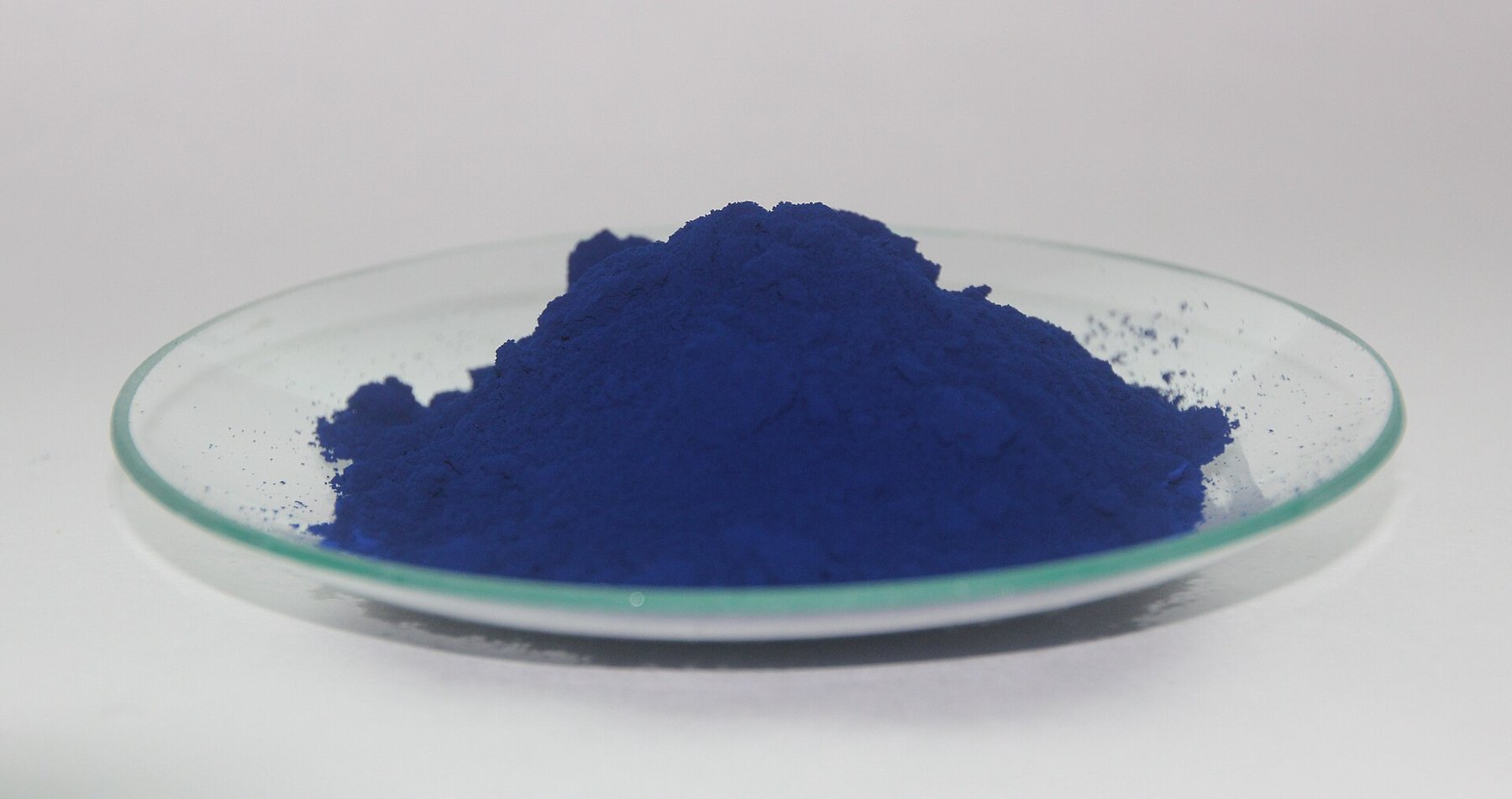
One-sentence studio definition
A pigment is the powdered color in paint: tiny solid particles that keep their particulate identity inside the binder instead of disappearing into a true solution. Getty's AAT scope note for colorant is broad: "Any substance capable of or used for coloring another material. A colorant may be a dye or a pigment" (Getty AAT scope note 46295, read 2026-10-22). Inside that family, pigments are the relatively insoluble branch; dyes are the soluble branch.
If you only remember one contrast: pigment particles are suspended; dye molecules are dissolved. Everything else in this page hangs on that split.
Particle size is doing quiet work in that definition. Grind the same chemistry finer and the paint can look more transparent or shift in undertone; leave it coarser and you get texture and hiding power. Dye solutions do not offer that grain-level dial.
Manufacturers sell pigment as dry powder, presscake, or predispersed paste. The art store tube already mixed the dispersion step for you; conservation labs often reverse-engineer which pigment family is in a historical layer before they touch a solvent.
Biology uses "pigment" for melanin and chlorophyll too. Those are also particulate or molecular colorants in tissue, but this article stays with the studio and conservation sense: colorants prepared for paint, ink, and related media under the pigment-versus-dye split.
Pigment vs dye
Dyes bond to or dissolve into fibers, inks, or other vehicles at the molecular scale. Pigments remain as discrete particles that scatter and absorb light at their surfaces. That is why paint films can look opaque or translucent depending on particle size, refractive index, and how much binder surrounds each grain, variables that do not map onto a food-coloring drop in water.
Industry primers from pigment manufacturers repeat the same insoluble-particle idea (for example the Colour Index-oriented introduction hosted at pigments.org). For art history reading, the Getty wording is enough to keep dye and pigment from collapsing into the casual word "colorant."
Printing and plastics borrow the same split. A pigmented ink sits as particles in a vehicle; a dye-based ink soaks into paper fibers. Lightfastness marketing usually tracks better with pigmented systems, though individual pigment grades still vary wildly.
When a student says "I used food coloring in the gesso," they usually mean a dye. It can stain beautifully and then migrate or fade in ways a stable inorganic pigment would not.
Getty's short colorant note is doing taxonomy, not a full paint manual. It exists so catalogers can tag an object as pigmented paint versus a dyed textile without collapsing both into the vague word color.
Binder turns pigment into paint
Pigment alone is a powder. Oil paint suspends it in drying oil; acrylic suspension uses a polymer emulsion; tempera traditionally uses egg; watercolor uses gum arabic. Change the binder and you change handling, gloss, drying, and aging, even when the same pigment chemistry sits inside.
That is why medium comparisons on this site talk about vehicles as much as hue. See acrylic vs oil paint on canvas and tempera vs acrylic for binder-side behavior. The overview page art techniques situates those choices among other studio methods.
Additives (driers, stabilizers, matting agents, preservatives) ride along in modern paints, but they are not pigments. If a label lists only a Color Index pigment code plus a binder family, you already know the two load-bearing ingredients.
Grounds and primers are also binder-plus-pigment systems. A white acrylic gesso is typically titanium dioxide or similar white pigment in an acrylic binder, not a mysterious third category of "canvas juice."
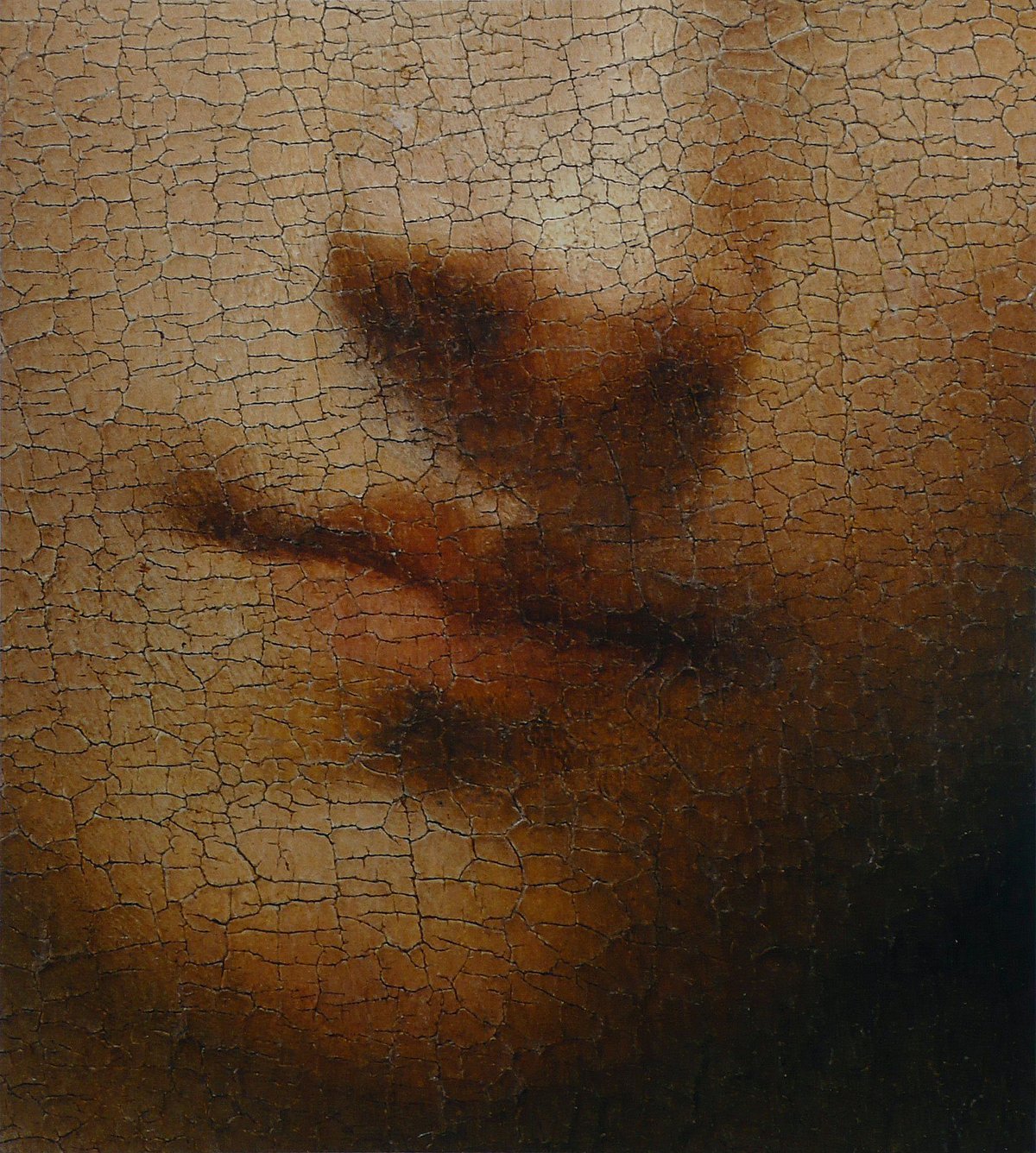
Once the binder cures or dries, the pigment particles are locked in a solid film. That locked state is why scrapings from an old painting can still yield identifiable pigment grains centuries later.
Lakes and famous pigment stories
A lake pigment starts life as a dye, then is precipitated onto a colorless or white base so the color can be handled like a pigment. Historical red lakes from insect or plant dyes are the textbook case in museum teaching sheets: the dye supplies hue; the base supplies insolubility.
Named pigments become shorthand in conservation reports: ultramarine, lead white, ochres, and modern organics each have fingerprint spectra. This site's Prussian blue pigment page is one worked example of an early synthetic inorganic with a dated invention story. "What is pigment" stays upstream of those case studies: particle colorant, not brand hue.
Historic workshops made lakes because some of the most vivid organic reds and yellows started as dyes. Precipitating them let painters brush a cloth-dye hue onto panel or canvas. Museums still separate "madder lake" language from "iron-oxide red" language in technical reports for that reason.
Synthetic organics in the nineteenth and twentieth centuries multiplied the palette again. Prussian blue is an early synthetic success story on this site; later azo and phthalocyanine families fill modern tubes. The umbrella word for all of them, when they remain particulate in the binder, is still pigment.
Why conservators care about the word
Identifying whether a passage is pigmented paint, a dye stain, or a lake affects cleaning sensitivity, lightfastness expectations, and what a spectrum peak means. Museum conservation glossaries lean on the same insolubility language when they define painting materials, because treatment choices follow chemistry.
For readers mixing paint at home, the practical takeaway is simpler: check whether a product is a pigment dispersion (paint, pigment paste) or a dye-based stain. Labels that say only "color" without naming pigment or dye are marketing, not materials science.
Spectroscopy, microscopy, and microchemical tests answer "which pigment," not just "which hue." Two greens can match by eye and differ in copper acetate versus modern phthalocyanine, which changes how a restorer plans cleaning gels.
For artists reading labels: "hue" on a tube often signals a convenience mix mimicking a historic pigment rather than the historic chemistry itself. That is a naming habit about hue targets, not a denial that real pigments (whatever their CI codes) are still inside the tube.
If you only need a buying rule: opaque coverage and lightfast ratings on artist-grade tubes usually track pigment choice and load, while craft dyes in water behave differently on paper and cloth.